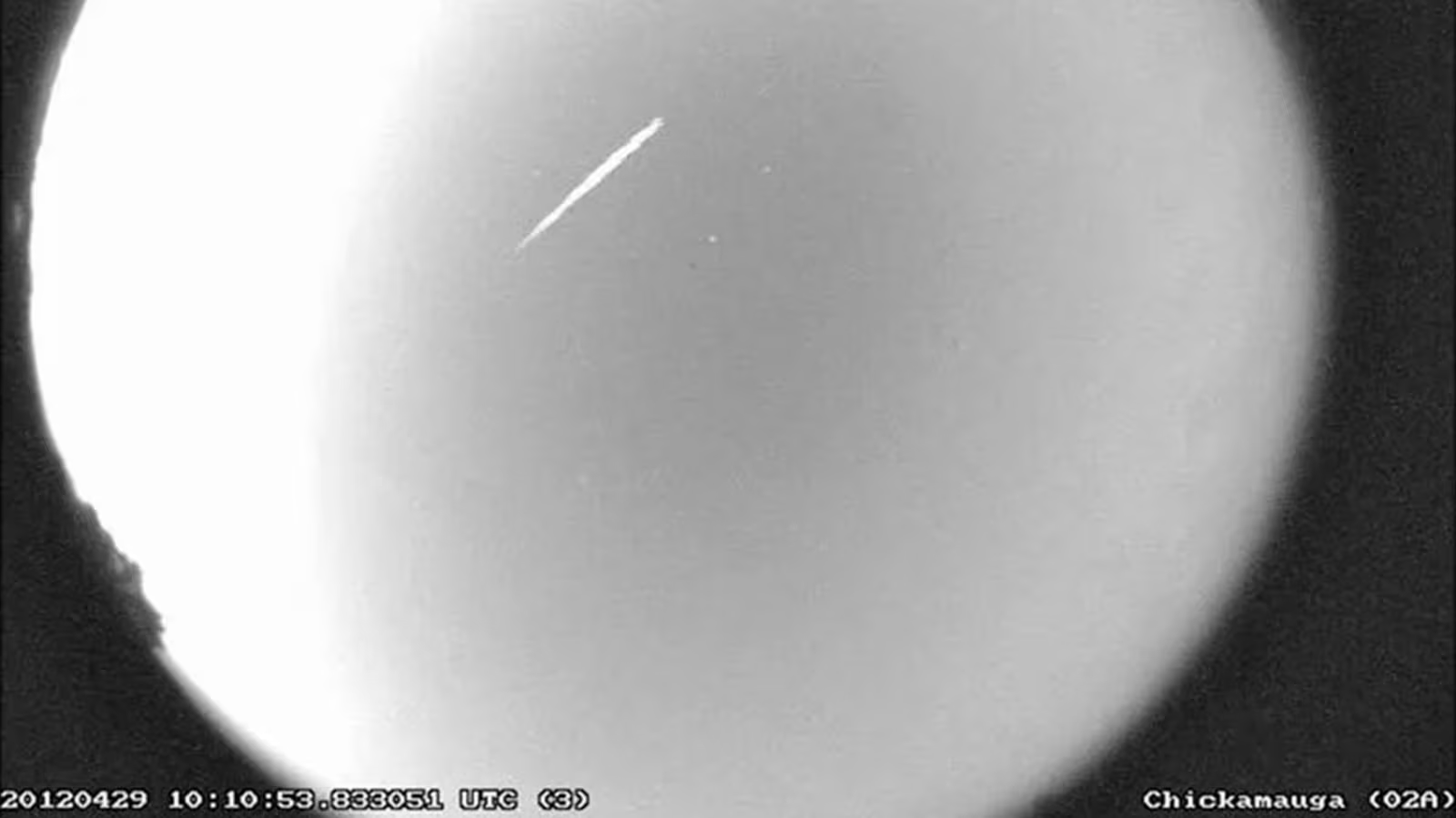
The Eta Aquarid meteor shower lights up the sky, though a bright moon is expected to reduce visibility this year, making it slightly difficult for people to clearly see the shooting stars.
The annual Eta Aquarid meteor shower, known for its connection to Halley's Comet, will peak this week. However, a bright moon is expected to make the display harder to see for many skywatchers.
Peak Viewing Period
The meteor shower is set to reach its peak Tuesday night into Wednesday morning. During this time, viewers in the Southern Hemisphere can usually see up to 50 meteors per hour under ideal conditions.
This year, however, a bright waning gibbous moon—about 84 per cent full—will likely reduce visibility. Experts say the number of visible meteors could drop by about half.
In the Northern Hemisphere, viewing conditions are already less favourable. Observers there may see fewer than 10 meteors per hour.
“For us in the Northern Hemisphere, it’s not going to be as impressive,” said Teri Gee, manager of the Barlow Planetarium in Wisconsin. “The farther south you are, the better you’ll see it.”
What Causes Meteor Showers
Meteor showers occur when Earth passes through trails of debris left behind by comets or asteroids. These tiny particles enter the atmosphere at high speeds and burn up, creating bright streaks of light often called shooting stars.
While a few meteors can be seen on any clear night, meteor showers provide more frequent and predictable displays throughout the year.
The Eta Aquarid shower is made up of debris from Halley’s Comet, which orbits the sun roughly every 76 years. The comet is expected to return to Earth’s vicinity in 2061.
Best Viewing Tips
Experts suggest heading outside in the early morning hours before dawn for the best chance to see the meteors. Choosing a location away from city lights and tall buildings can improve visibility.
To reduce the impact of the bright moon, it may help to find a spot where the moon is blocked from view.
Skywatchers are advised to bring blankets or lawn chairs for comfort and allow their eyes time to adjust to the darkness. Avoiding phone screens can also help improve night vision.
Looking toward the eastern sky, near the constellation Aquarius and the star Eta Aquarii, will increase the chances of spotting meteors.
“You’re looking for bright streaks that appear in the corner of your eye for a fraction of a second,” said astrophysicist Nico Adams.
A Unique Experience
Despite the challenges posed by the moonlight, experts say the meteor shower is still worth watching. Seeing meteors in real time offers a special experience for observers.
“It almost feels like you’re discovering it yourself,” Gee said.