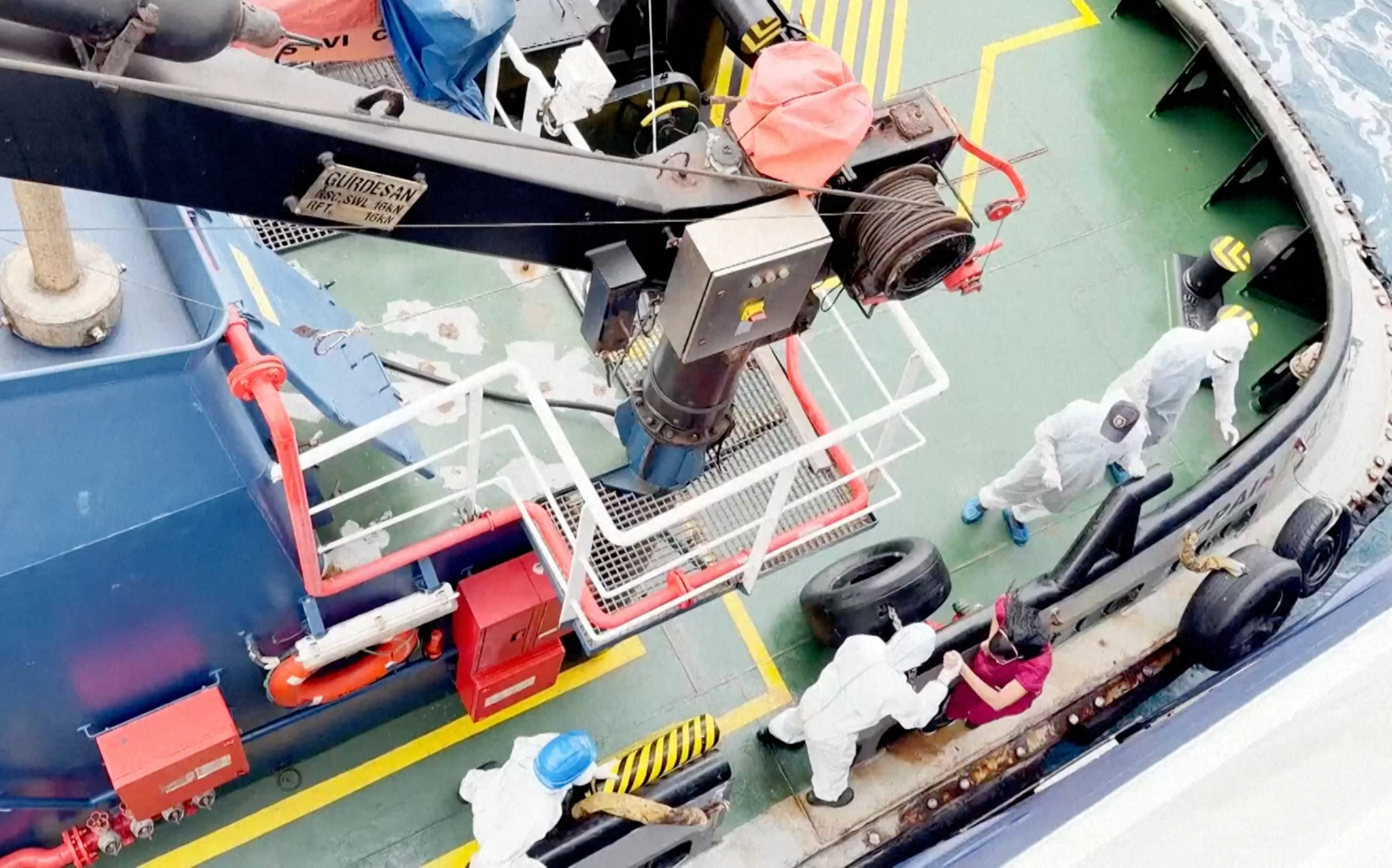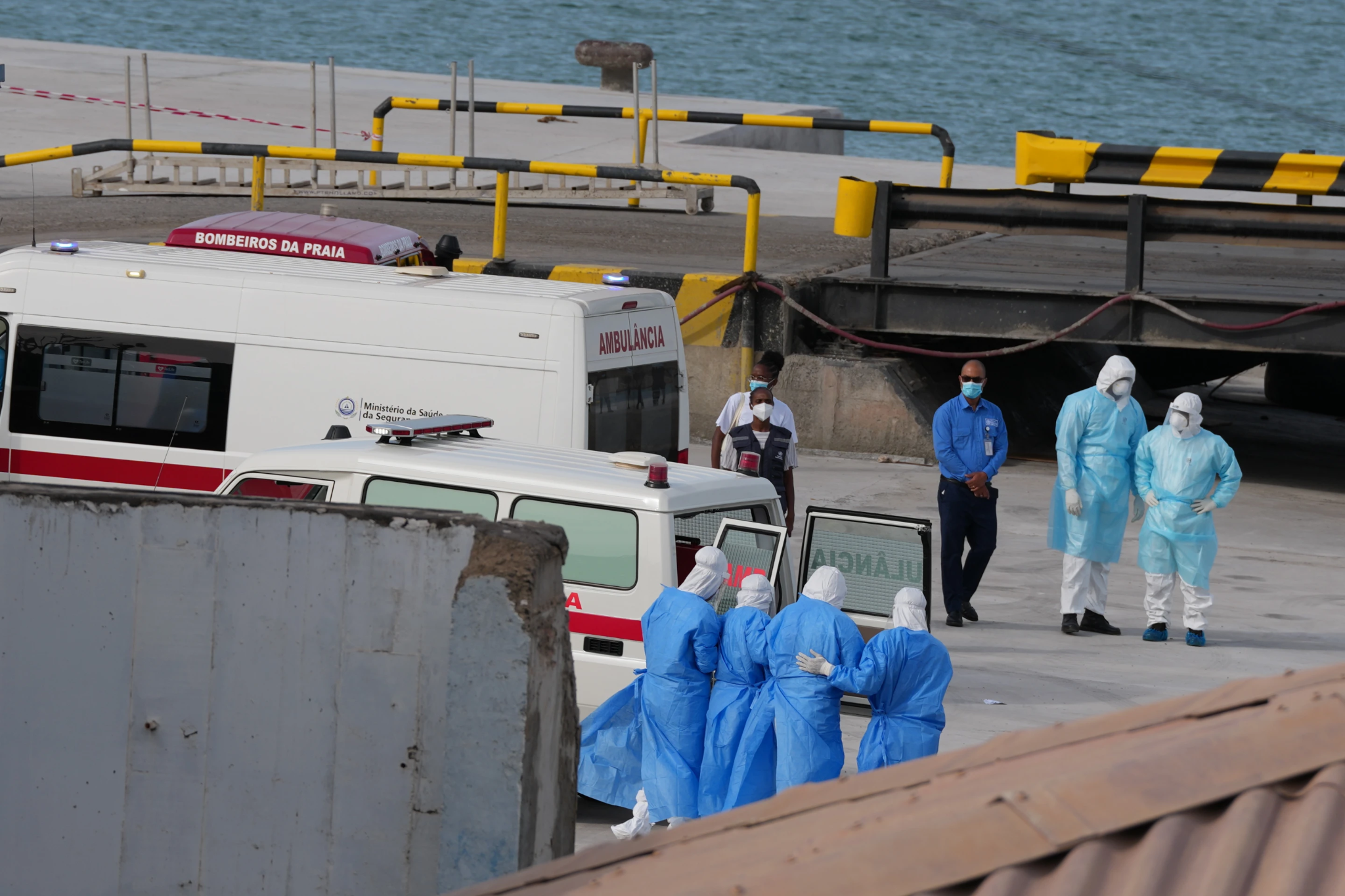
Health workers in protective gear evacuate patients from the MV Hondius cruise ship at a port in Praia, Cape Verde, Wednesday, May 6, 2026. (AP Photo)
Following a hantavirus outbreak aboard a cruise ship that has claimed three lives, public health officials are working tirelessly to trace individuals who may have been exposed to the virus. Although hantaviruses are not easily transmitted between humans, the potential for a larger outbreak has led authorities to take swift action to identify and monitor those at risk.
Contact Tracing Efforts
Contact tracing is a critical measure that aims to alert those potentially exposed to the virus, monitor their symptoms, and prevent them from unknowingly spreading it to others. In the case of the cruise ship outbreak, fewer than a dozen passengers have shown symptoms, but health experts are concerned that many more could have been exposed. Contact tracing is proving difficult due to the global mobility of passengers and the nature of the cruise, with some people disembarking before the virus was identified as the cause of illness.
Passengers Who Left the Ship Before the Outbreak Was Identified
Of particular concern are the dozens of passengers who left the ship about two weeks after a passenger's death, but before the hantavirus was recognized. These passengers are from at least 12 different countries, including multiple states in the U.S. such as Arizona, California, Georgia, and Texas. Health authorities are scrambling to reach these individuals to ensure they are monitored for symptoms.
Different Countries, Different Approaches
Countries are taking varied approaches to monitoring those who may have been exposed. In St. Helena, a remote British territory in the South Atlantic, a small number of passengers considered at higher risk are being isolated for 45 days. The U.K. Health Security Agency is monitoring a few individuals who are self-isolating after flying home, while Singaporean authorities are testing two men who were on the ship and traveled to South Africa and Singapore.
U.S. Efforts in Contact Tracing
In the U.S., state health officials have been in contact with individuals who left the ship. Texas officials reported that two passengers who disembarked on April 24 are not showing symptoms and are monitoring their health with daily temperature checks. Arizona health officials are tracking another person who left the ship and began monitoring on May 5. Meanwhile, two Canadians who returned to Ontario have been advised to self-isolate.
Scientists Study the Andes Virus
In addition to contact tracing, scientists are working to better understand the Andes virus, which is part of the hantavirus family and believed to have originated in South America. Argentine health officials suspect that the virus was contracted during a birdwatching trip in Ushuaia, in southern Argentina. Scientists are now investigating whether the virus has mutated to become more transmissible.
Dr. Jeanne Marrazzo from the Infectious Diseases Society of America emphasized that the virus is primarily infectious when individuals have symptoms, suggesting that small droplets expelled when talking, coughing, or sneezing could play a role in transmission.
Ongoing Investigation
Health officials are working quickly to determine how the virus spreads and whether it can be passed between individuals, which would make the outbreak more serious. Despite the initial concerns, public health agencies are hopeful that with aggressive contact tracing and ongoing research, they can prevent the outbreak from escalating into a larger epidemic.