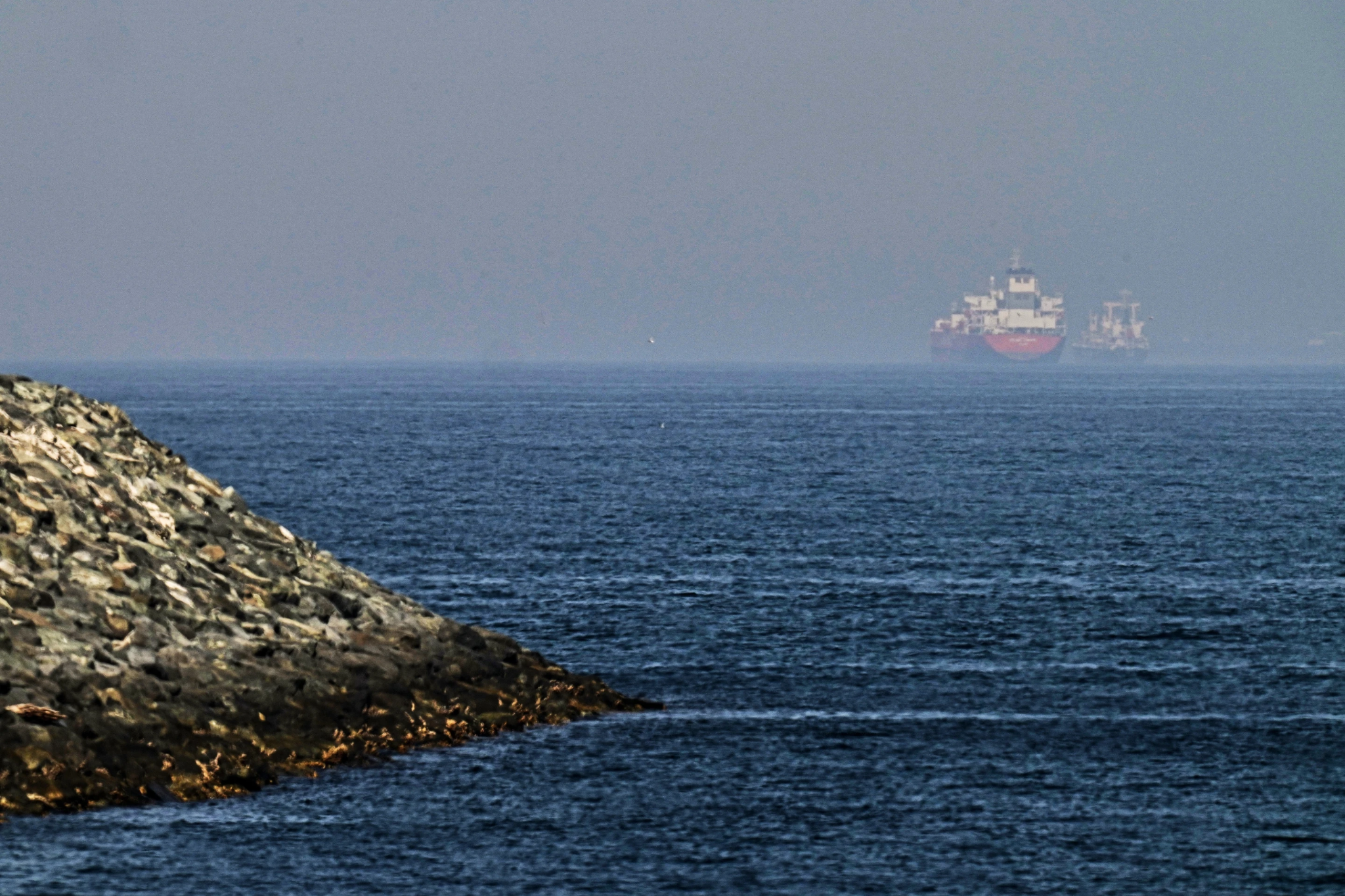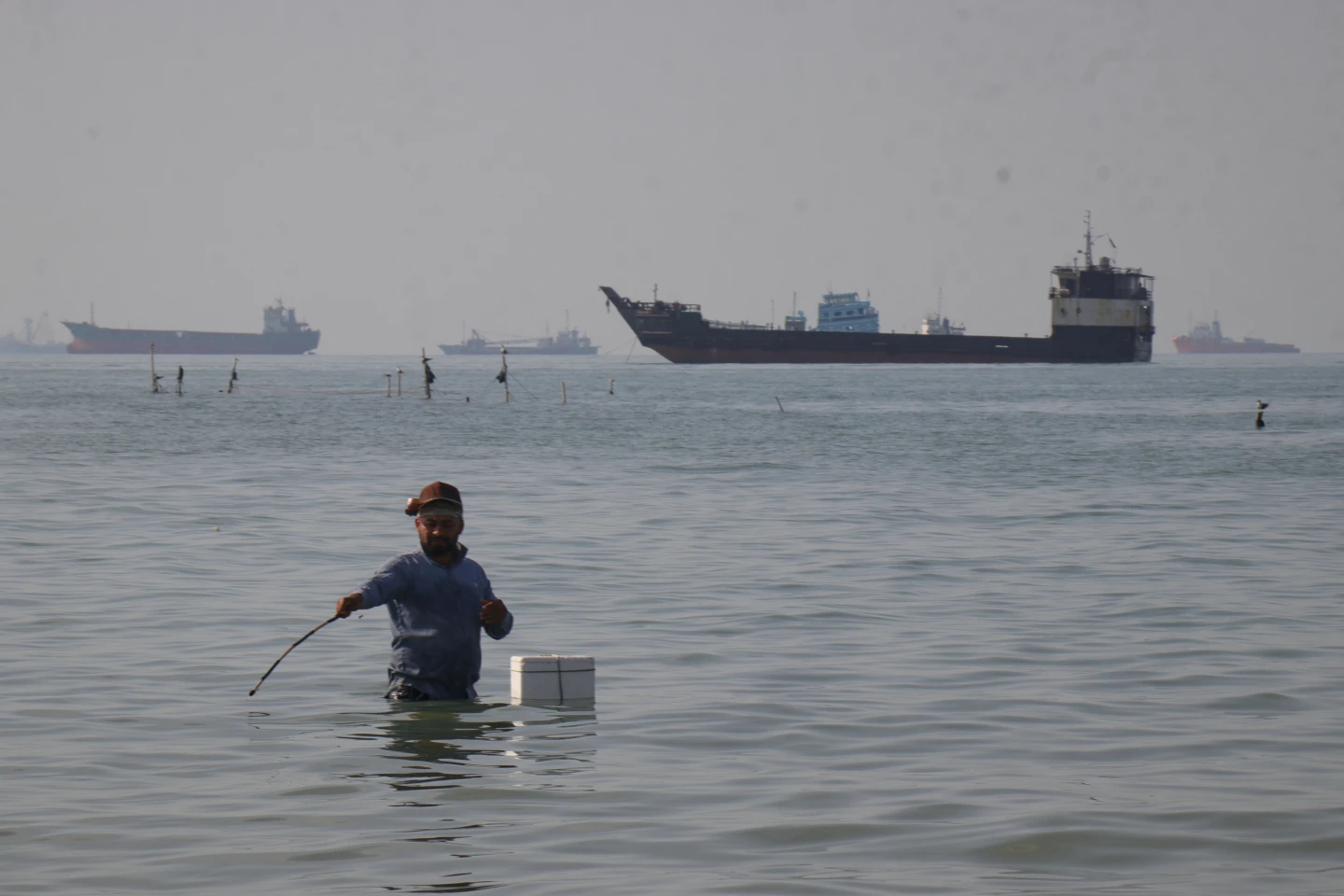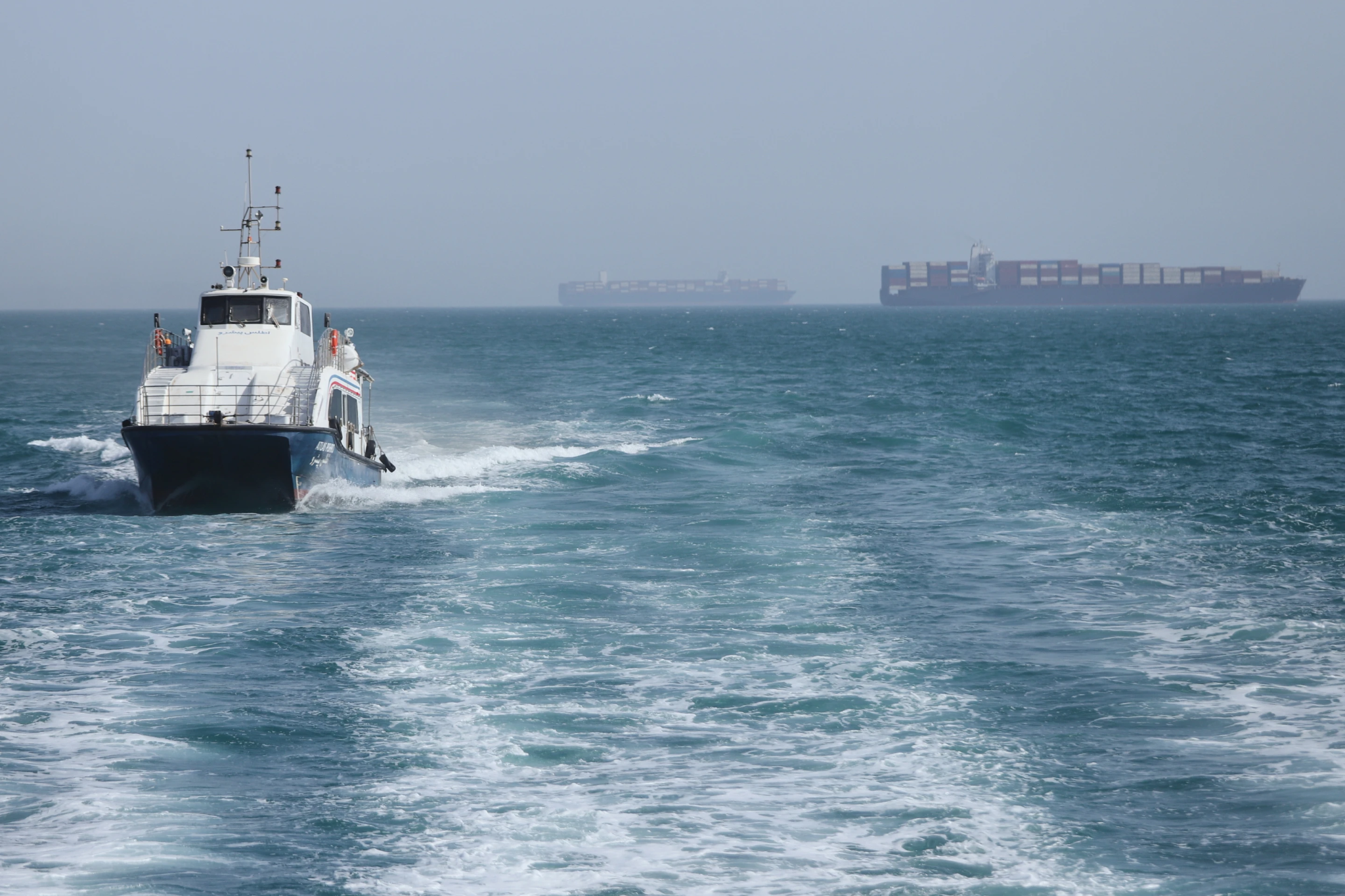
A patrol boat moves through the water as cargo ships sit at anchor in the Strait of Hormuz off Bandar Abbas, Iran, Saturday, May 2, 2026. (ISNA via AP)
The U.S. military has launched a critical operation to reopen the Strait of Hormuz after Iranian forces attacked the UAE, a key ally, amid a fragile ceasefire. The U.S. military fired on Iranian forces and sank six boats that targeted civilian vessels, taking steps to secure the waterway and restore commercial traffic.
UAE Targeted as Ceasefire Holds Fragile
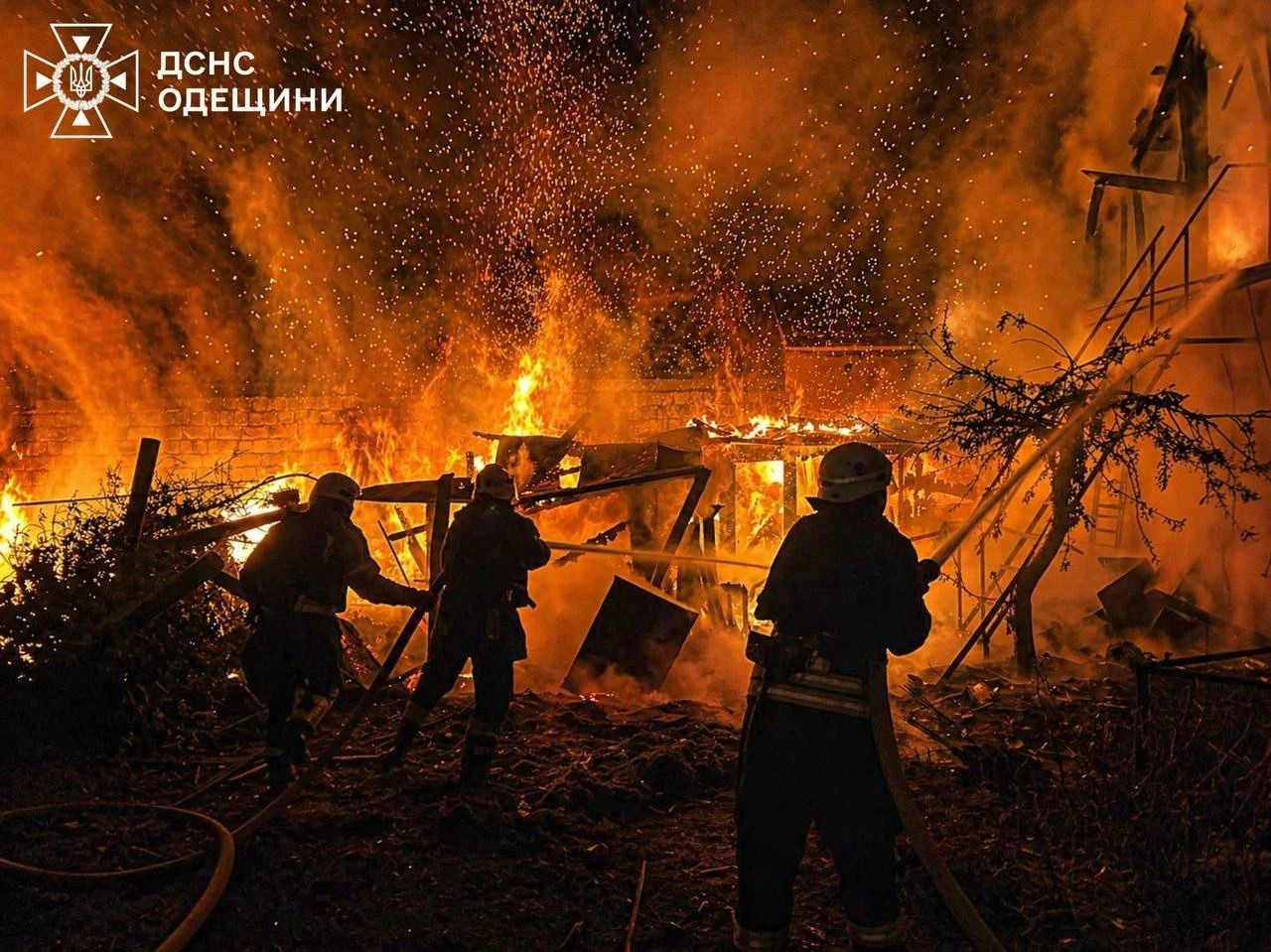
The UAE reported missile strikes and drone attacks, marking the first time missile alerts have been issued since the ceasefire began. Iranian forces targeted key oil facilities in the UAE, including Fujairah, resulting in a fire and injuries. Tehran's denial of responsibility for the attacks has increased tensions, raising concerns about regional stability.
U.S. and Iran at Odds Over Hormuz Control
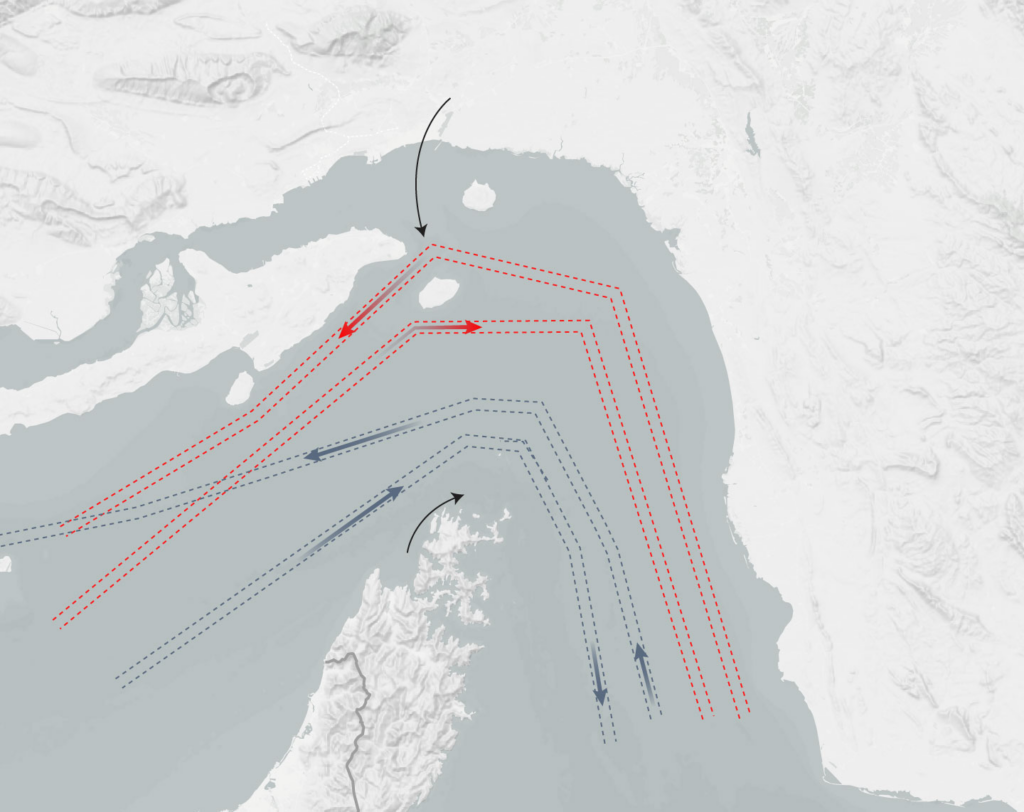
While the U.S. continues its efforts to ensure free passage through the Strait of Hormuz, Iran has maintained control over the waterway. Tehran's military has warned that foreign forces, particularly the U.S., attempting to approach the strait will face military action. The disruption to the strait continues to significantly impact global energy markets.
Strait of Hormuz: Key to Global Energy
With approximately a fifth of the world's oil passing through the Strait of Hormuz, any disruption to the vital shipping route has significant consequences for global energy prices. The U.S. blockade on Iranian ports since April 13 has put further pressure on Iran's oil exports, intensifying economic strain on the country.
Ongoing Diplomacy Amid Continued Hostilities
Negotiations for peace have been stalled despite Iran's latest proposal for an end to the conflict. While Iran demands the lifting of U.S. sanctions and the cessation of military operations, including Israeli actions in Lebanon, U.S. officials remain doubtful that these talks will lead to a breakthrough, signaling continued instability in the region.