Toronto stands at a critical crossroads, with experts offering solutions to revive the once-great city. Getty Images
Toronto, once a model of thriving urbanism and cultural vibrancy, now finds itself at a critical juncture. According to the new book edited by city builders Anne Golden and Ken Greenberg, Toronto is facing challenges that threaten its future, but there are solutions available to turn things around.
Golden and Greenberg provide an insightful diagnosis of the city's struggles and offer a range of fixes to restore its greatness. The book explores the various forces that have contributed to Toronto’s current state, from rapid growth to governance challenges, and highlights actionable strategies to help the city recover.
Declining Conditions
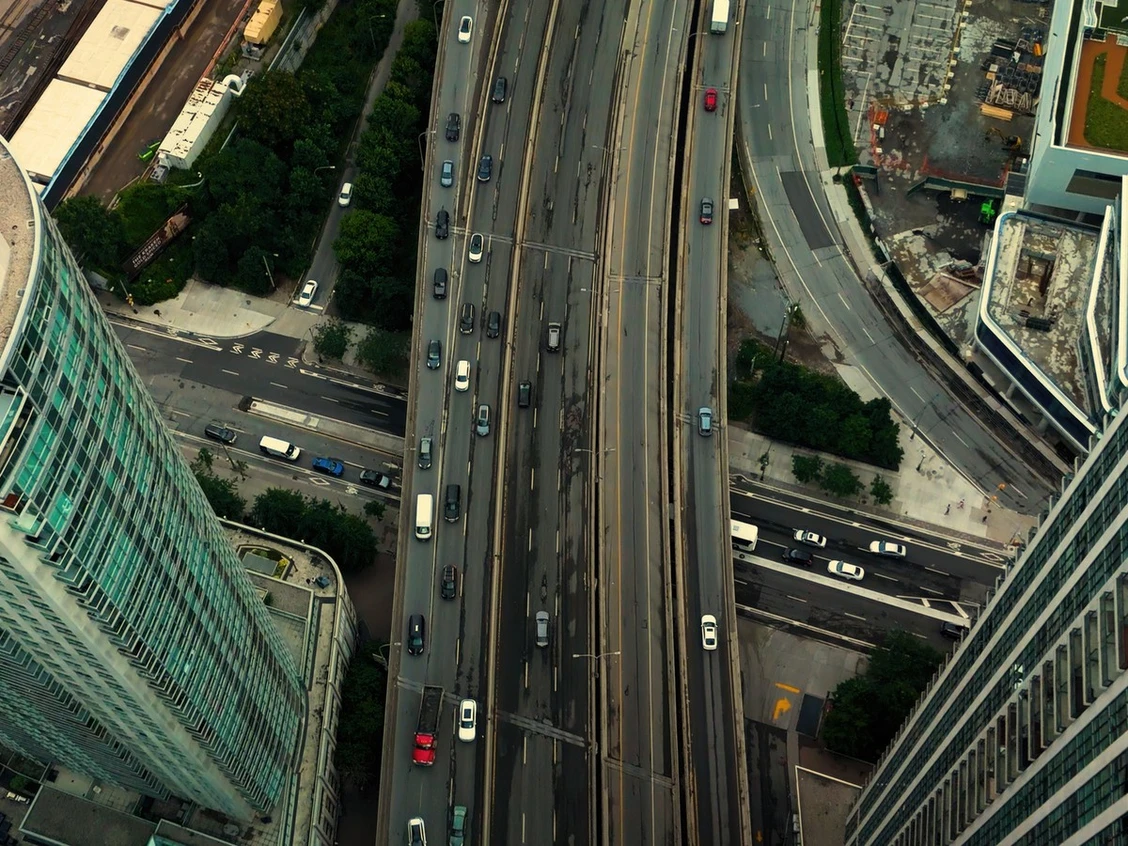
As Toronto continues to grapple with increasing traffic congestion, housing shortages, and strained public services, the book argues that the city is at a tipping point. The once bustling downtown is now marked by heavy traffic, overcrowded public transport, and an increasingly unaffordable housing market, which has left many residents questioning the city’s future.
The authors identify a series of long-standing problems that have contributed to the city’s decline. A key issue is the lack of a coherent and forward-thinking urban planning strategy, which has led to inefficient land use and a failure to keep pace with the growing population. This has exacerbated the city's housing crisis, pushing many residents out of the core areas and further into the suburbs.
The Role of Governance
Golden and Greenberg also argue that Toronto's governance system is part of the problem. The city's fragmented political structure has led to a lack of unified leadership, making it difficult to implement large-scale infrastructure and policy changes. With various levels of government involved, decisions often become bogged down in red tape, preventing meaningful action.
Moreover, the authors argue that Toronto's leaders have failed to sufficiently address social issues such as poverty, inequality, and access to affordable housing, which have left many communities behind. As the city grows, these challenges only seem to intensify, contributing to a growing sense of frustration among residents.
Possible Solutions
Despite the many challenges, Golden and Greenberg offer a hopeful outlook. They emphasize the importance of rethinking urban planning and governance. To improve the city’s future, they propose more effective use of public space, better integration of transportation networks, and policies that prioritize affordable housing development. A streamlined governance structure, they argue, could help eliminate inefficiencies and foster more collaborative decision-making.
The book also stresses the importance of embracing technology and innovation to drive solutions. Toronto’s status as a global city offers it the opportunity to lead in areas like smart city technology, sustainability, and green energy. By investing in these areas, Toronto can create a more resilient, livable, and sustainable urban environment for future generations.
Conclusion: Can Toronto Be Saved?
Toronto’s challenges are undeniable, but they are not insurmountable. With a clear vision and the right leadership, the city can overcome its current struggles and regain its position as one of the world’s most dynamic urban centres. Golden and Greenberg’s work serves as a timely reminder that Toronto is not beyond saving it just needs the right approach and commitment to change.