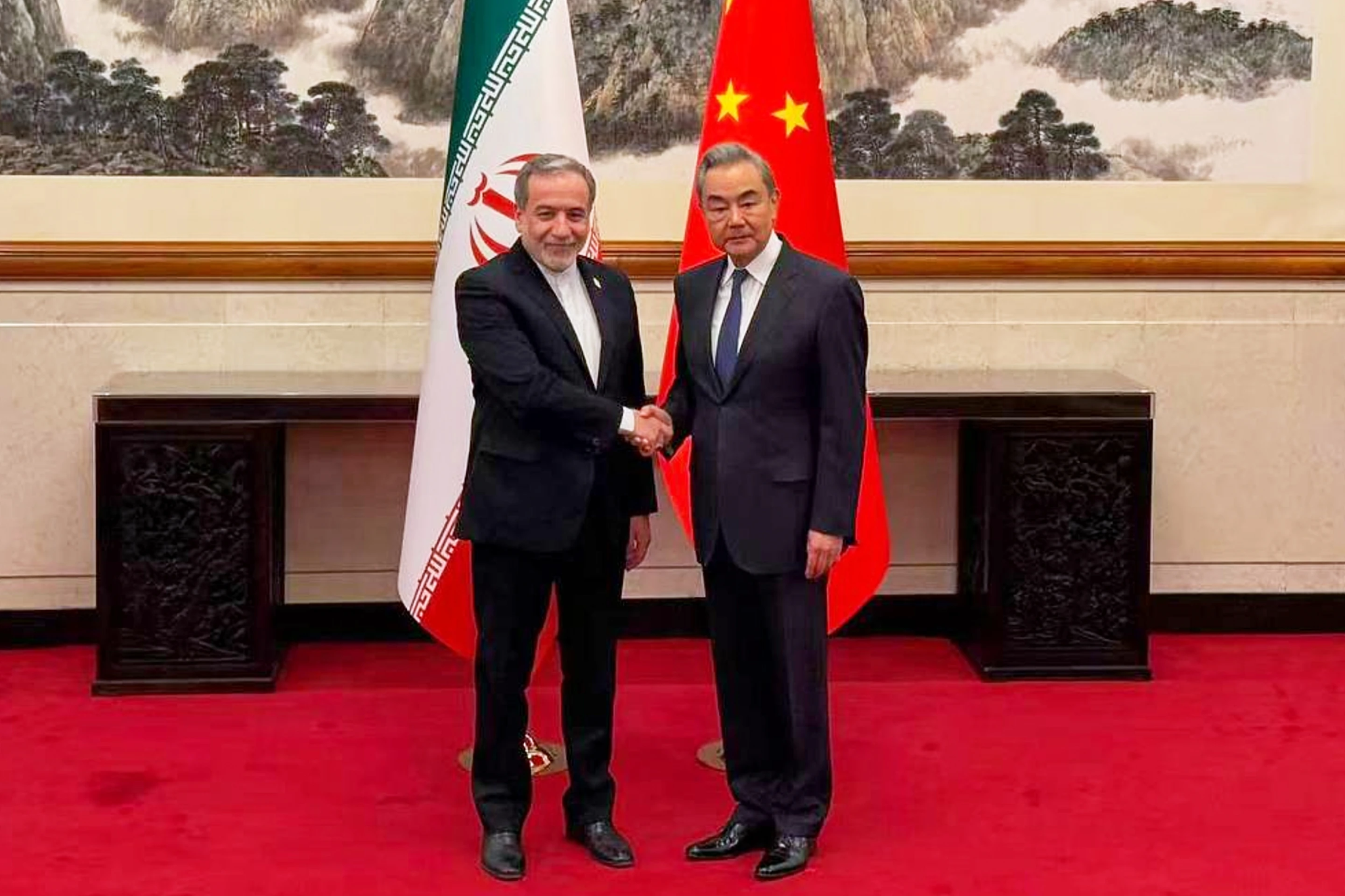
In this photo released by the Telegram channel of Iranian Foreign Minister Abbas Araghchi, China’s Foreign Minister Wang Yi, right, meets with Iran’s Foreign Minister Abbas Araghchi in Beijing, China, Wednesday, May 6, 2026. (Photo Credit: Associated Press)
Tensions continue to mount in the Strait of Hormuz, as the US temporarily halts its military operations to reopen the critical waterway, while Iran escalates its attacks on UAE facilities. Meanwhile, China’s diplomatic involvement takes center stage with its call for a comprehensive ceasefire in the ongoing conflict.
US, Iran, and China Play Key Roles in Strait of Hormuz Crisis
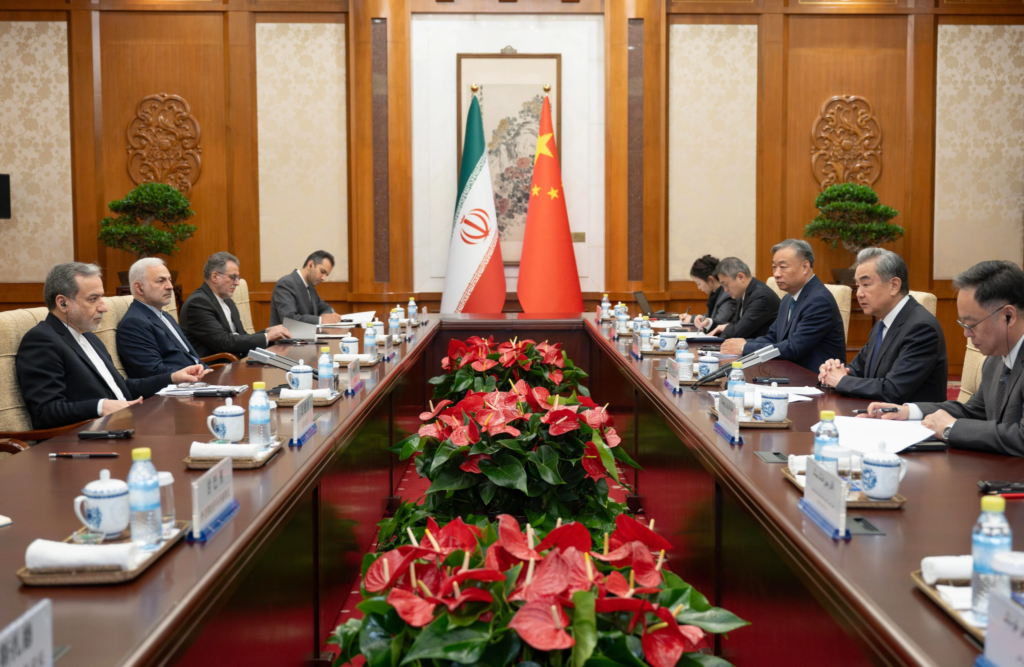
In a pivotal move, Chinese Foreign Minister Wang Yi met with Iranian counterpart Abbas Araghchi in Beijing, urging for a “comprehensive ceasefire” to end the hostilities that have lasted for more than two months. Wang's meeting with Araghchi marks the first high-level talks between China and Iran since the start of the war in late February.
China’s position reflects its growing influence in the region and its interest in a peaceful resolution. Wang expressed China’s deep concern over the prolonged conflict and stressed that dialogue and negotiations are vital to de-escalating the situation. The timing of the talks coincided with President Trump’s decision to pause US military efforts in the Strait of Hormuz, signaling a shift toward diplomacy.
US Temporarily Pauses Military Efforts, Iran Responds with Attacks
President Trump announced on social media that the US would pause its ongoing military operations aimed at reopening the Strait of Hormuz. The decision follows requests from Pakistan and other countries, as well as ongoing negotiations to reach an agreement with Iran. Trump emphasized that the US blockade on Iranian ports would remain in place until further discussions are concluded.
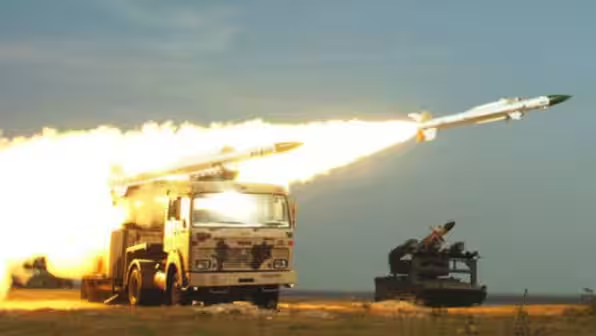
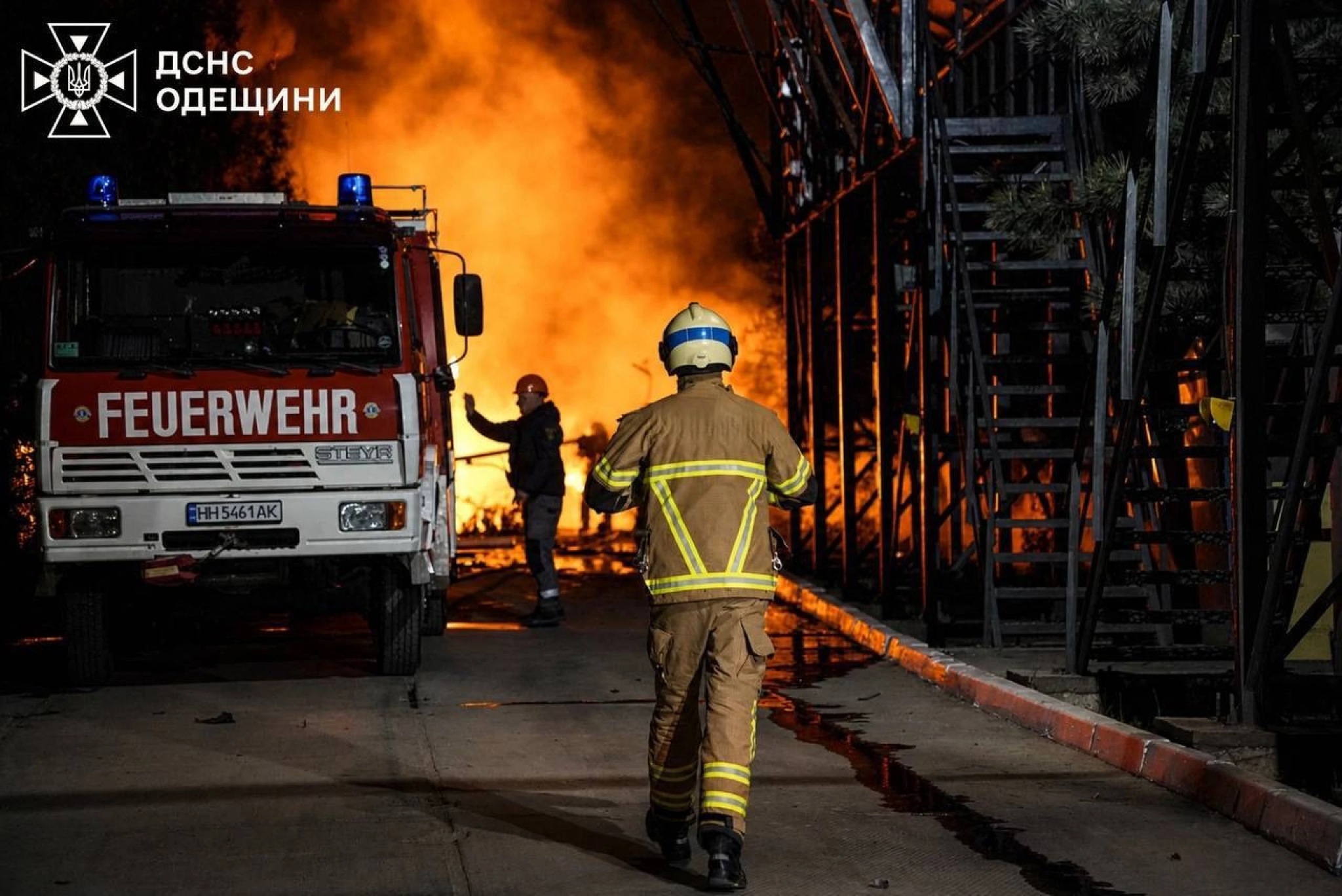
Despite this pause, tensions in the region have continued to flare, with Iran launching renewed drone and missile attacks on UAE facilities. The UAE Defense Ministry reported significant damage from the Iranian assault, including fires at key oil infrastructure. The escalating attacks have exacerbated concerns over the safety of civilian vessels navigating the Strait.
Chinese Diplomacy Sheds Light on the Bigger Picture
As the US and Iran seek a diplomatic solution, China’s role has become increasingly crucial. The Chinese government’s call for a comprehensive ceasefire reflects its strategic interests in maintaining stability in the Middle East and securing free trade routes for global energy markets. China's growing involvement in Middle Eastern diplomacy could reshape the region's geopolitical landscape.
While Chinese and US efforts to resolve the crisis continue to unfold, Iran’s response to international calls for peace remains cautious. Iranian officials have signaled that they are open to dialogue but are not willing to relinquish control of the Strait, which remains a critical leverage point in the ongoing conflict.
Global Impact: Economic Ramifications of Strait Blockade
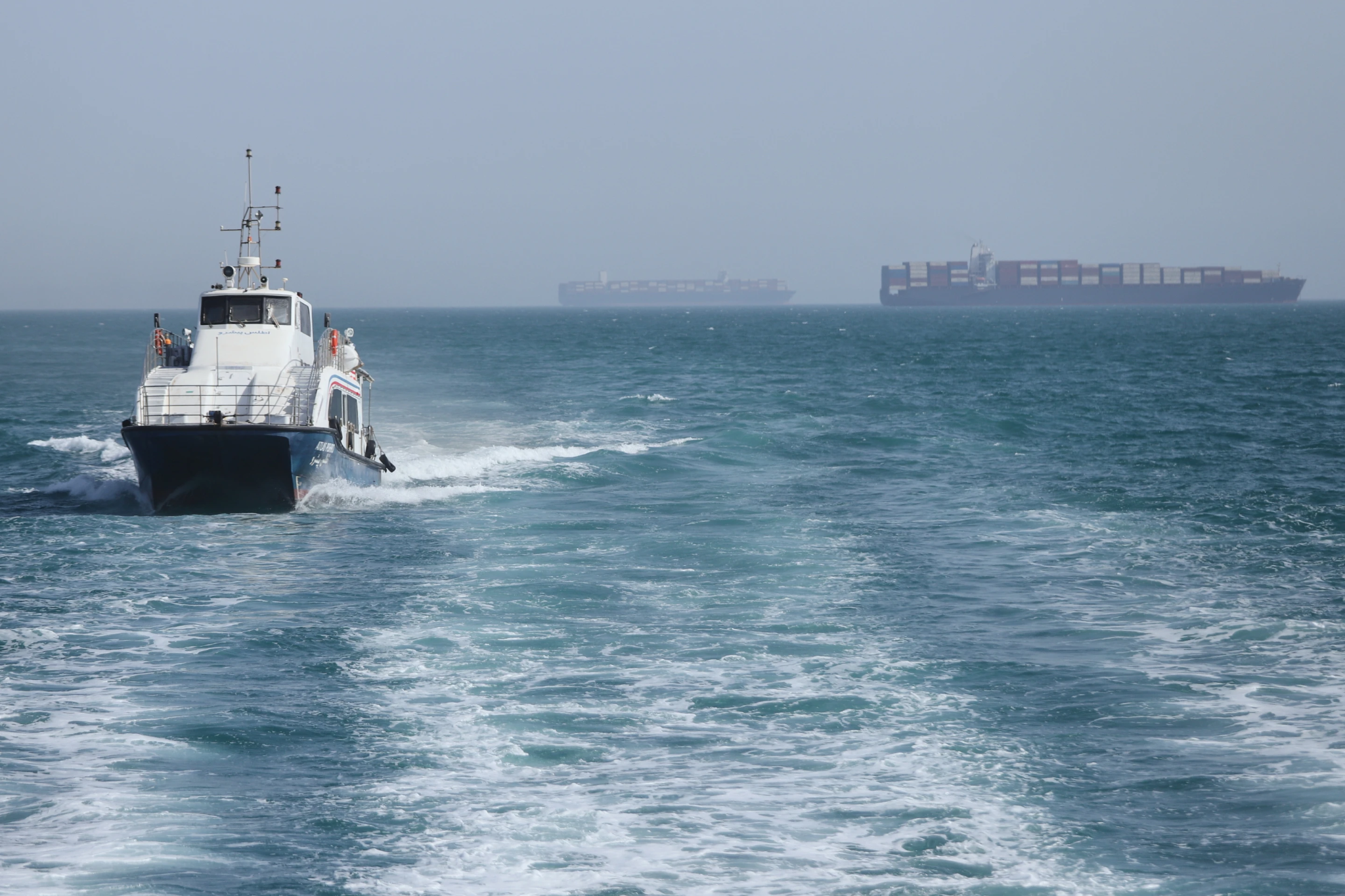
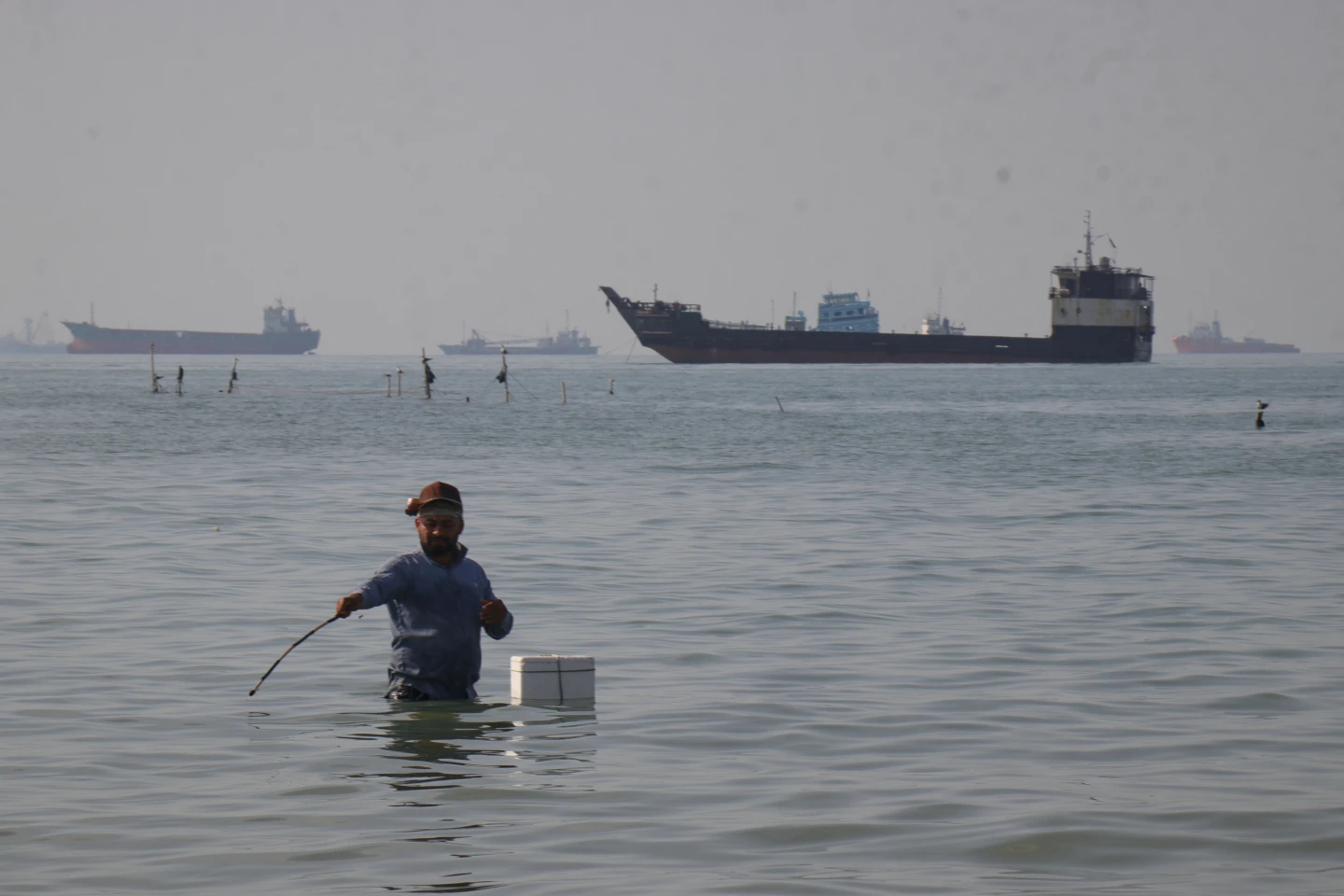
The continued closure of the Strait of Hormuz, a vital passage for global oil supplies, has had far-reaching economic implications. Oil prices have surged in response to the threat of further disruptions, affecting global energy markets. Despite some diplomatic moves, the risk of prolonged instability in the Strait remains high, with international shipping companies expressing concerns about the safety of their vessels.
What’s Next for US-Iran Relations and the Strait of Hormuz?
The situation remains highly volatile, with diplomatic efforts spearheaded by China and the US aiming to end the conflict. As China calls for a ceasefire and the US adjusts its military posture, all eyes are on the next steps in this international standoff. With Iran’s grip on the Strait continuing, the possibility of a lasting peace agreement hinges on both diplomatic negotiation and the willingness of all parties to compromise.
The road ahead remains uncertain, but the diplomatic moves by China, combined with the US's strategic military pause, signal a potential shift toward negotiations, while the economic ripple effects of the crisis will continue to reverberate across global markets.