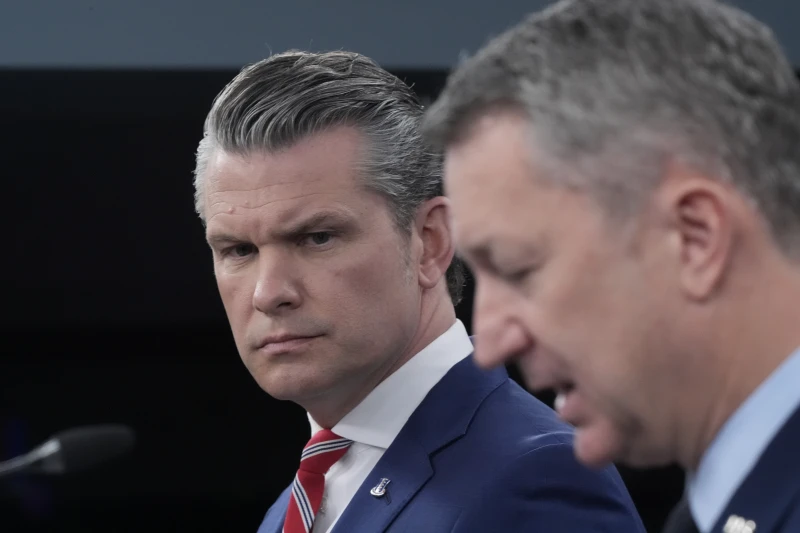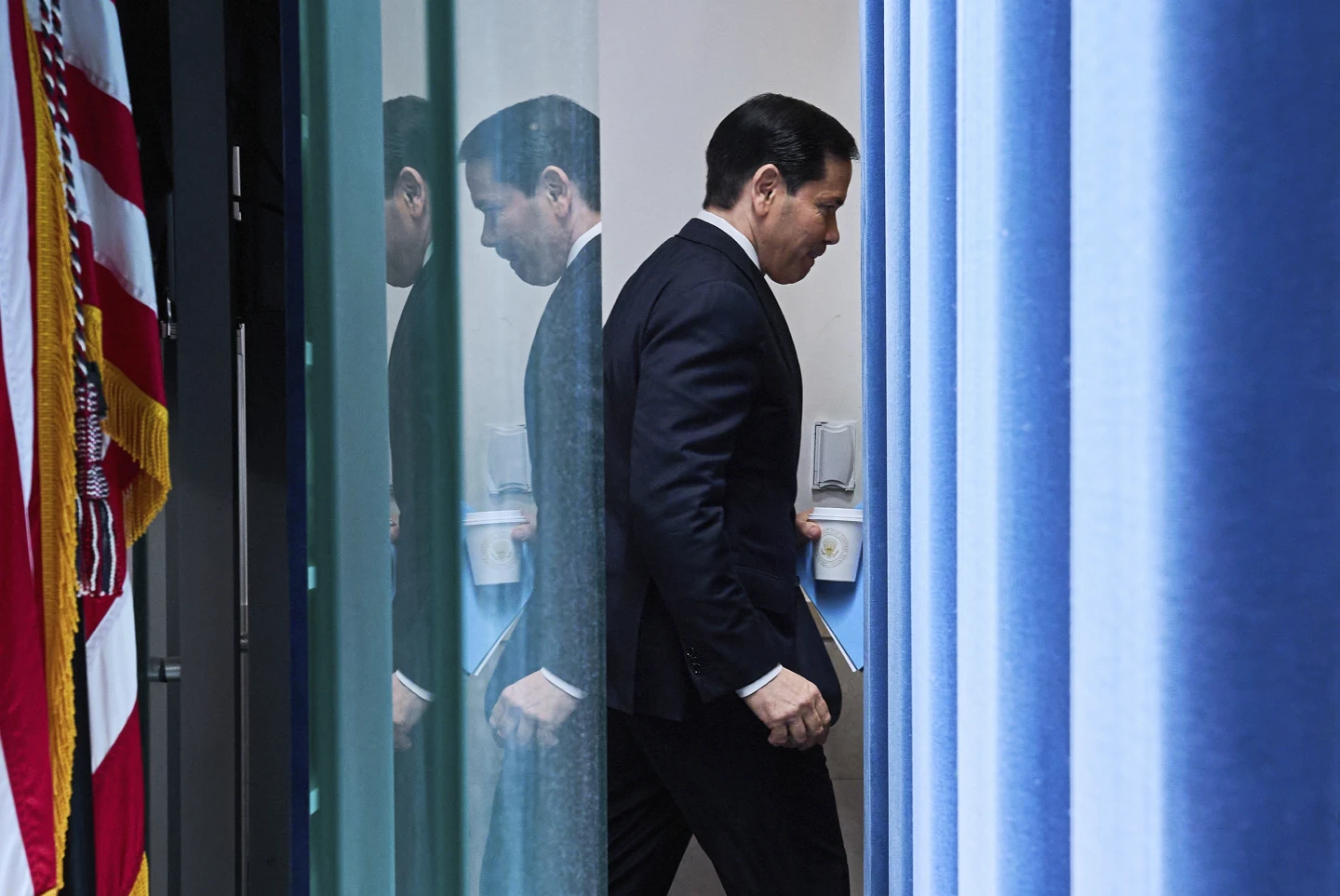
Secretary of State Marco Rubio leaves the room after speaking to the media in the James Brady Press Briefing Room of the White House, Tuesday, May 5, 2026, in Washington
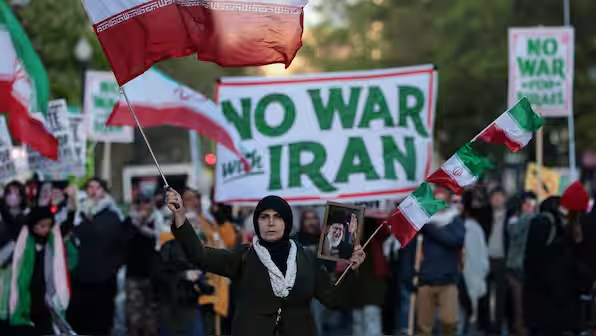
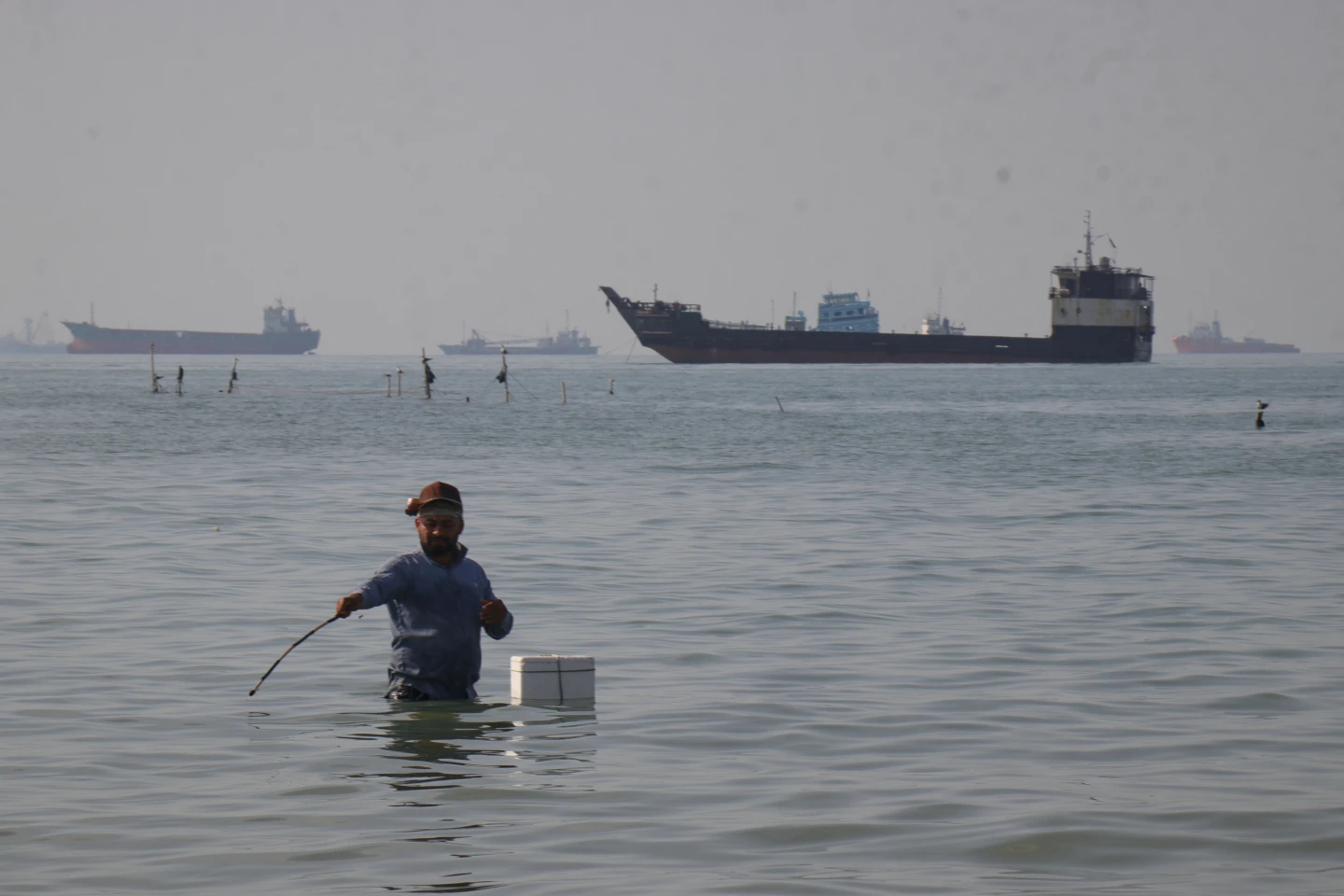
U.S. Secretary of State Marco Rubio arrived in Europe this week facing a difficult diplomatic assignment, as tensions between the White House, the Vatican, and key European allies continue to grow over the Iran conflict and President Donald Trump’s recent criticism of Pope Leo XIV.
Rubio, a practicing Catholic, is scheduled to meet Pope Leo at the Vatican on Thursday during a visit aimed at repairing strained relationships. However, the diplomatic effort became more complicated after Trump renewed his attacks on the Chicago-born pope, accusing him of being lenient on Iran and misrepresenting his stance on nuclear weapons.
The pope has firmly rejected those claims, insisting that his message remains rooted in peace, dialogue, and the teachings of the Gospel.
Marco Rubio Vatican Visit Comes Amid Rising Diplomatic Friction
The controversy began escalating last month when Trump criticized Pope Leo on social media over immigration policies, deportations, and comments related to the Iran war. The president later intensified the dispute with additional posts that drew widespread backlash, including one that appeared to compare himself to Jesus Christ.
Although the image was eventually removed, Trump declined to apologize and instead claimed it was intended humorously. The remarks sparked concern among American allies and Catholic leaders, forcing Rubio into the role of mediator once again.
Rubio defended the president by arguing that Trump’s concerns stem from fears about Iran obtaining nuclear weapons. According to Rubio, the administration believes a nuclear-armed Iran would pose a direct threat to millions of Christians and Catholics worldwide.
Still, Pope Leo clarified that he has never supported Iran acquiring nuclear weapons. Instead, he emphasized the Catholic Church’s longstanding opposition to nuclear arms and reiterated the importance of peaceful dialogue over military escalation.
Pope Leo Continues Call for Peace and Dialogue
During recent remarks, Pope Leo stressed that the church’s mission is to preach peace rather than encourage conflict. While acknowledging the traditional Catholic concept of “just war,” he argued that modern warfare, especially in the nuclear age, requires deeper moral reconsideration.
The pope also stated that nations have the right to defend themselves, but warned against allowing violence to replace diplomacy. His comments have resonated strongly in Europe, where many leaders remain uneasy about the expanding conflict involving Iran.
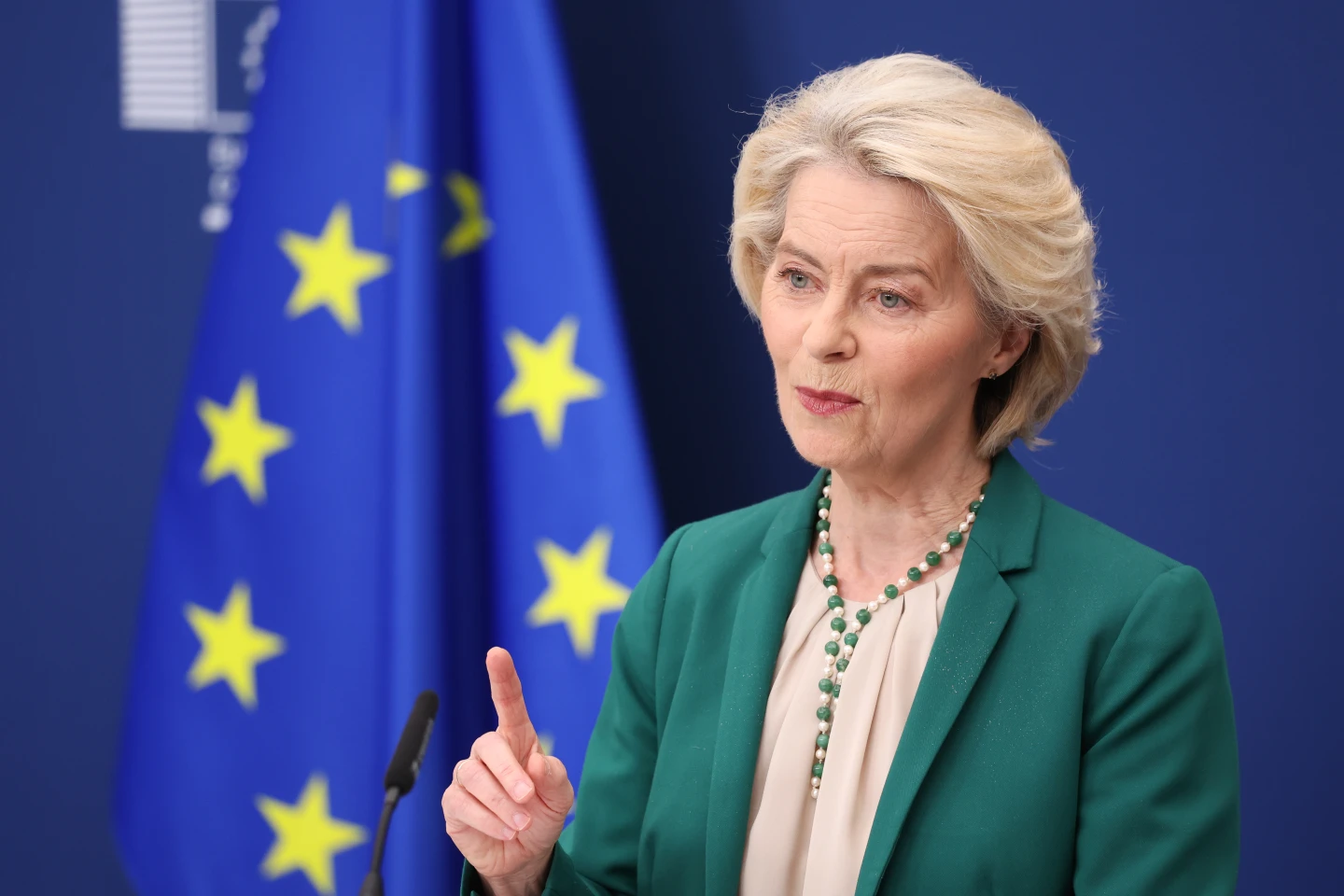
Rubio’s meetings in Italy may prove equally delicate. Prime Minister Giorgia Meloni and Foreign Minister Antonio Tajani have both defended Pope Leo publicly while also criticizing aspects of the Iran war. Their positions have reportedly frustrated Trump, who has already criticized several NATO allies for insufficient support.
Italy and Vatican Seek Balanced Approach
Italian political observers believe Rubio’s visit is partly an effort to ease tensions before they deepen further. Some analysts also suggest the secretary of state may be attempting to strengthen his own standing among Catholic voters and international allies ahead of future political ambitions.
Despite the friction, the Vatican has chosen to keep diplomatic channels open. Observers noted that Pope Leo’s decision to proceed with Rubio’s audience, even after Trump’s latest remarks, signals a willingness to maintain communication rather than escalate the dispute further.
Italian officials, however, remain under domestic pressure as public opposition to the Iran conflict continues to grow. Analysts say balancing support for the United States while criticizing aspects of the war has become increasingly difficult for Meloni’s government.
Cuba Also Emerges During Diplomatic Talks
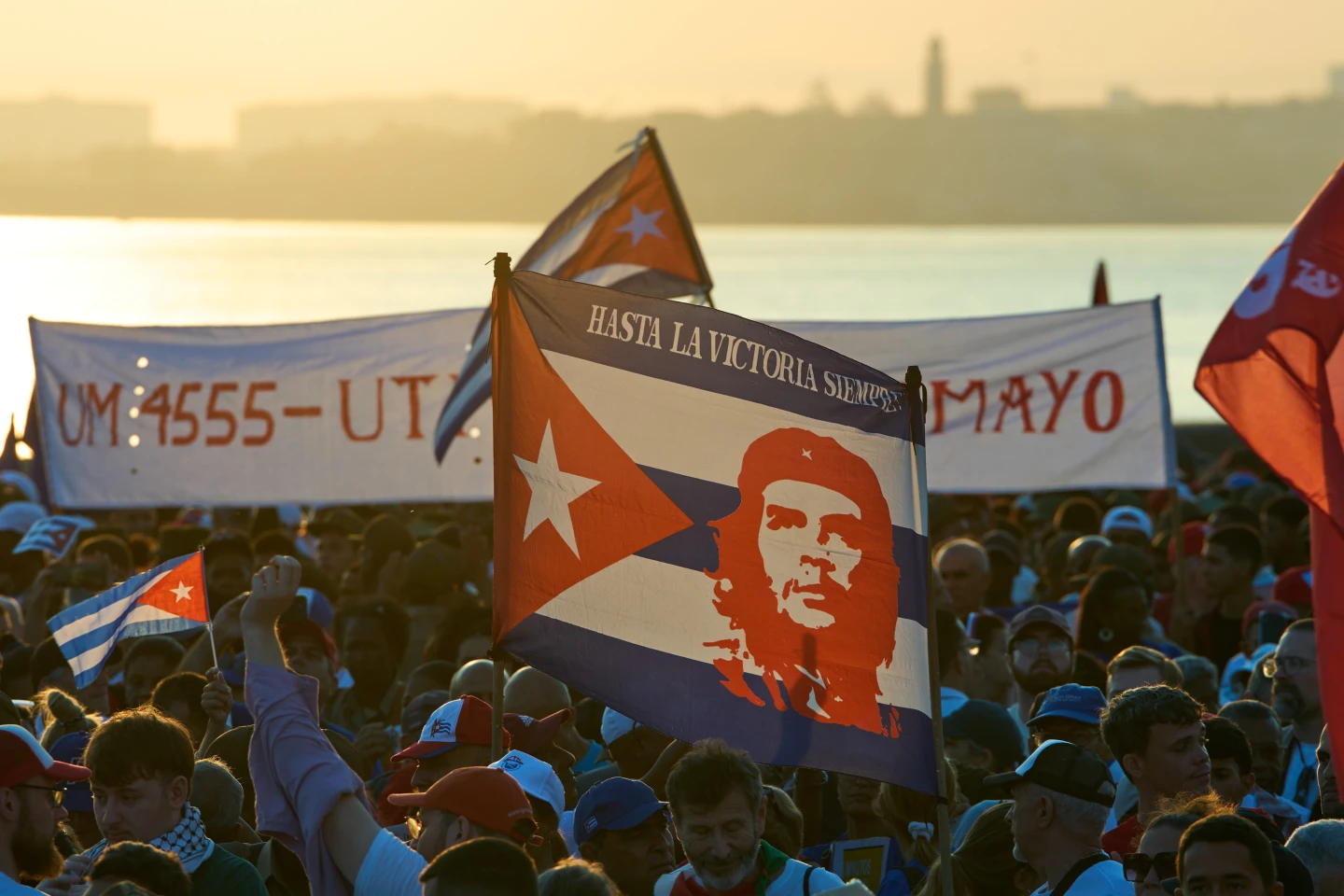
Beyond Iran, Rubio said discussions at the Vatican would also include Cuba, another issue creating tension between Washington and the Holy See. The Vatican has expressed concern over Trump administration comments suggesting possible military action against Cuba following political changes in Venezuela earlier this year.
Rubio, whose parents immigrated from Cuba, has long supported a hardline stance toward Havana. He said the United States recently provided humanitarian aid to Cuba through church networks after direct distribution efforts faced obstacles.
As Rubio continues meetings across Europe, his challenge will be balancing the White House’s aggressive rhetoric with the diplomatic reassurance many allies now seek. The success of his trip may ultimately depend on whether dialogue can overcome the growing divide between political confrontation and calls for peace.