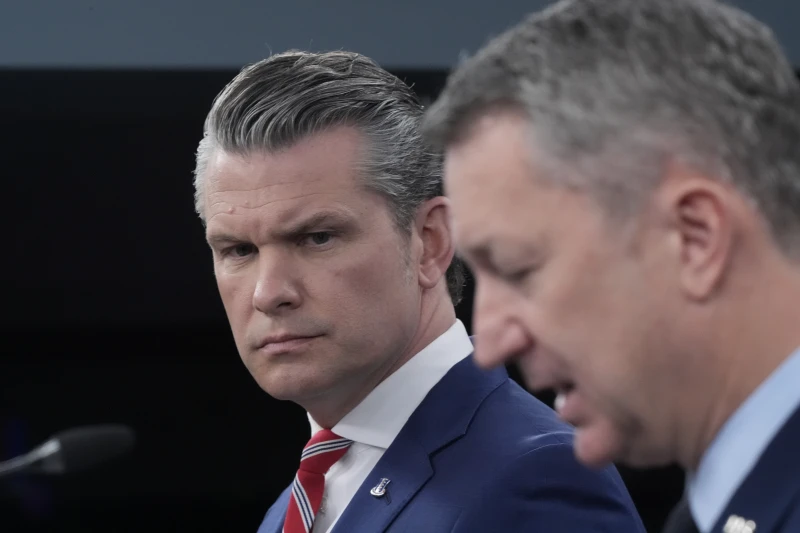
Defense Secretary Pete Hegseth and Chairman of the Joint Chiefs of Staff Gen. Dan Caine speak to members of the media during a press briefing at the Pentagon in Washington, Tuesday, May 5, 2026
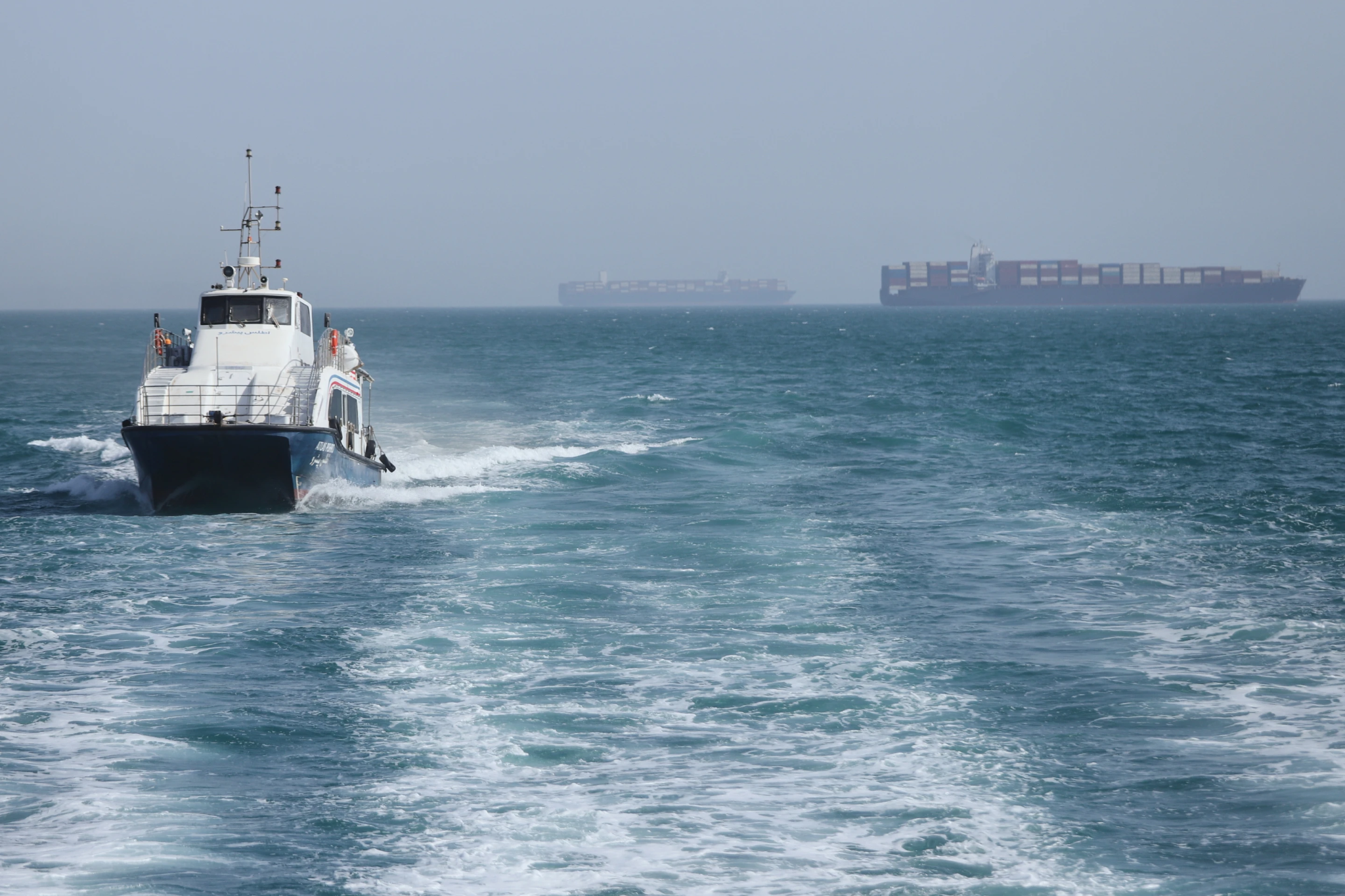
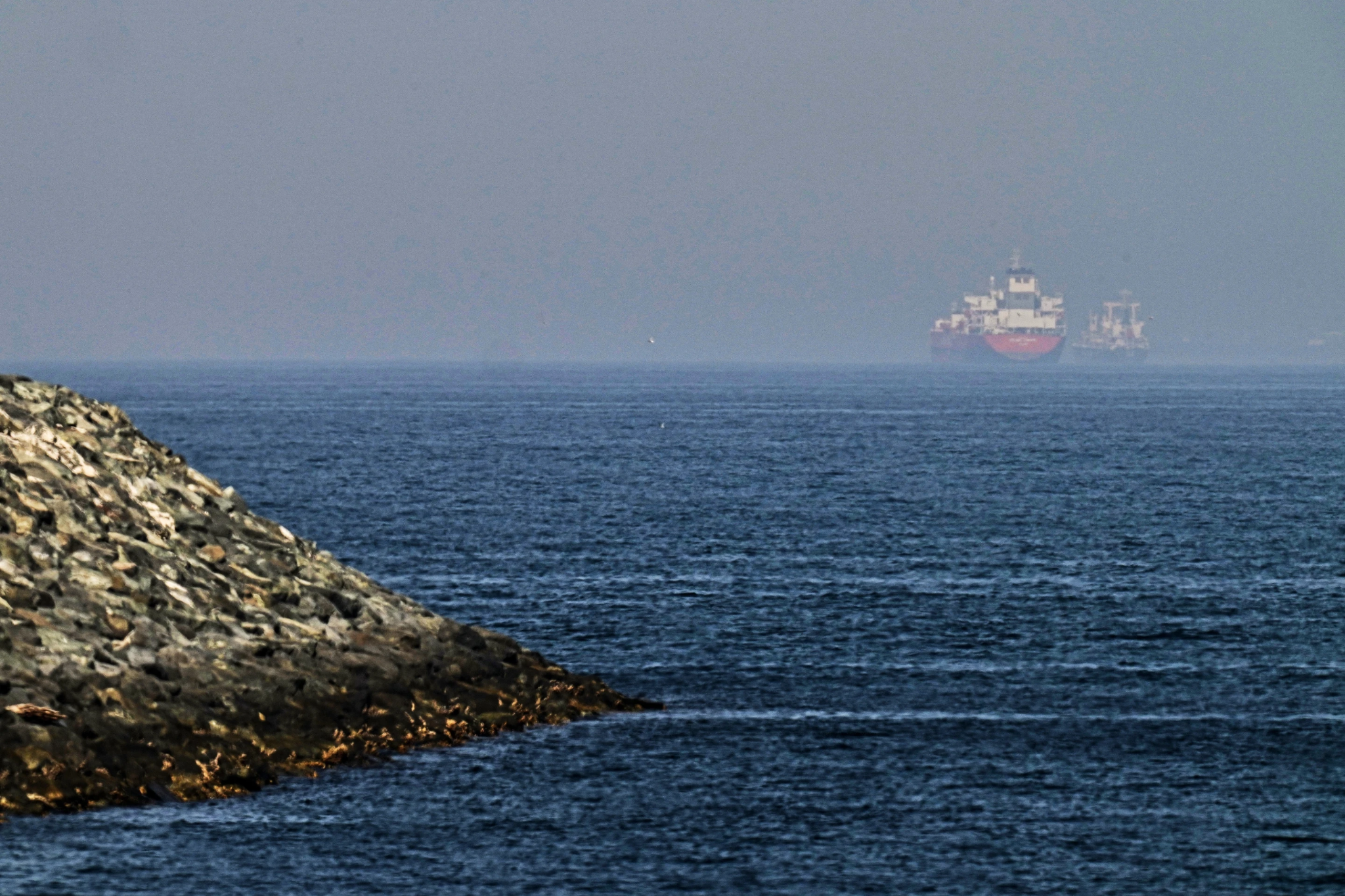
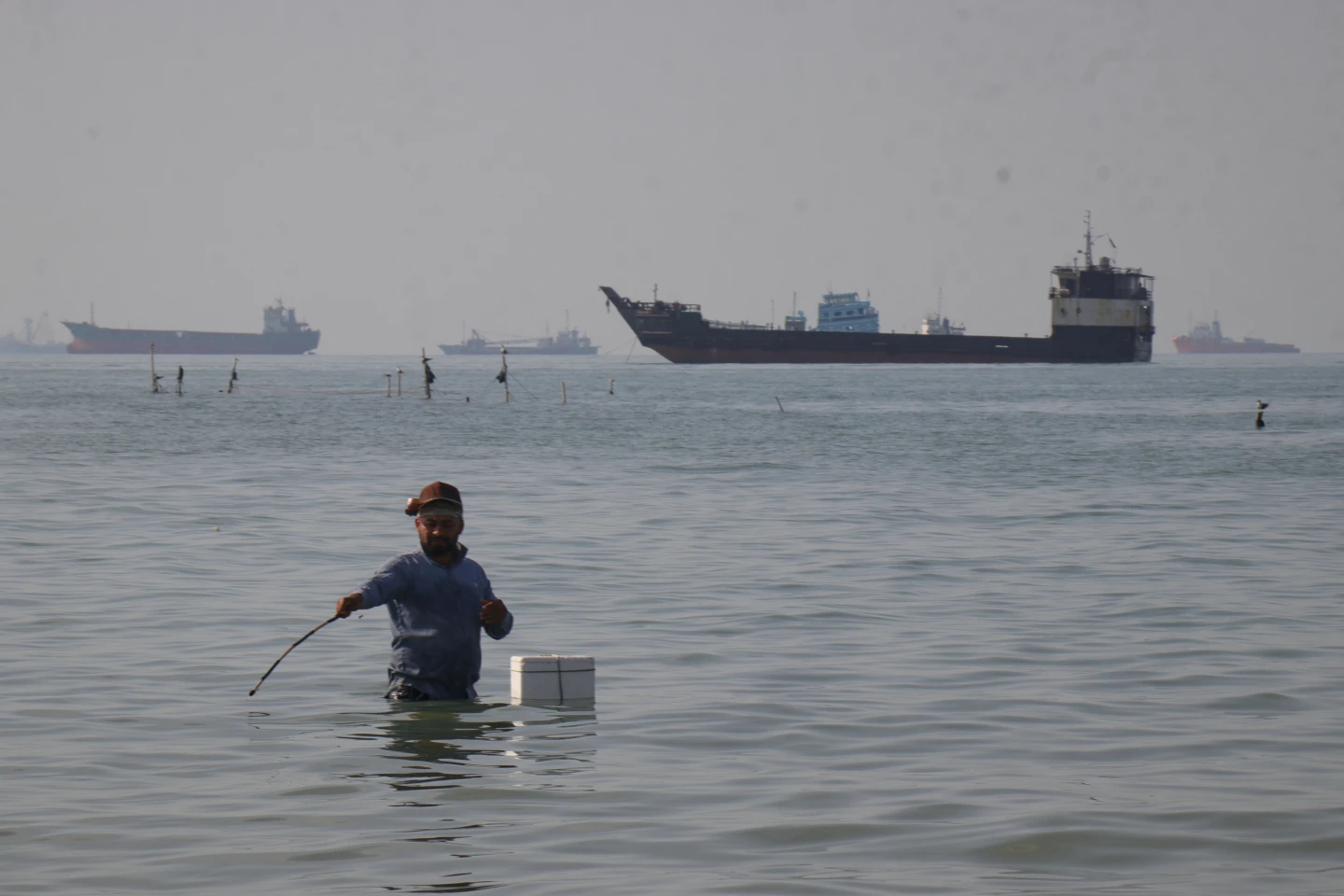
Global attention turned toward the Strait of Hormuz on Wednesday as diplomatic and military tensions surrounding Iran entered a delicate new phase. While the United States temporarily paused efforts to escort stranded commercial vessels through the critical waterway, Iran’s foreign minister arrived in Beijing for high-level discussions with Chinese officials.
The developments came amid growing fears over energy supplies, regional security, and the wider economic impact of the ongoing conflict involving Iran, Israel, and the United States.
China-Iran Talks Gain Global Importance
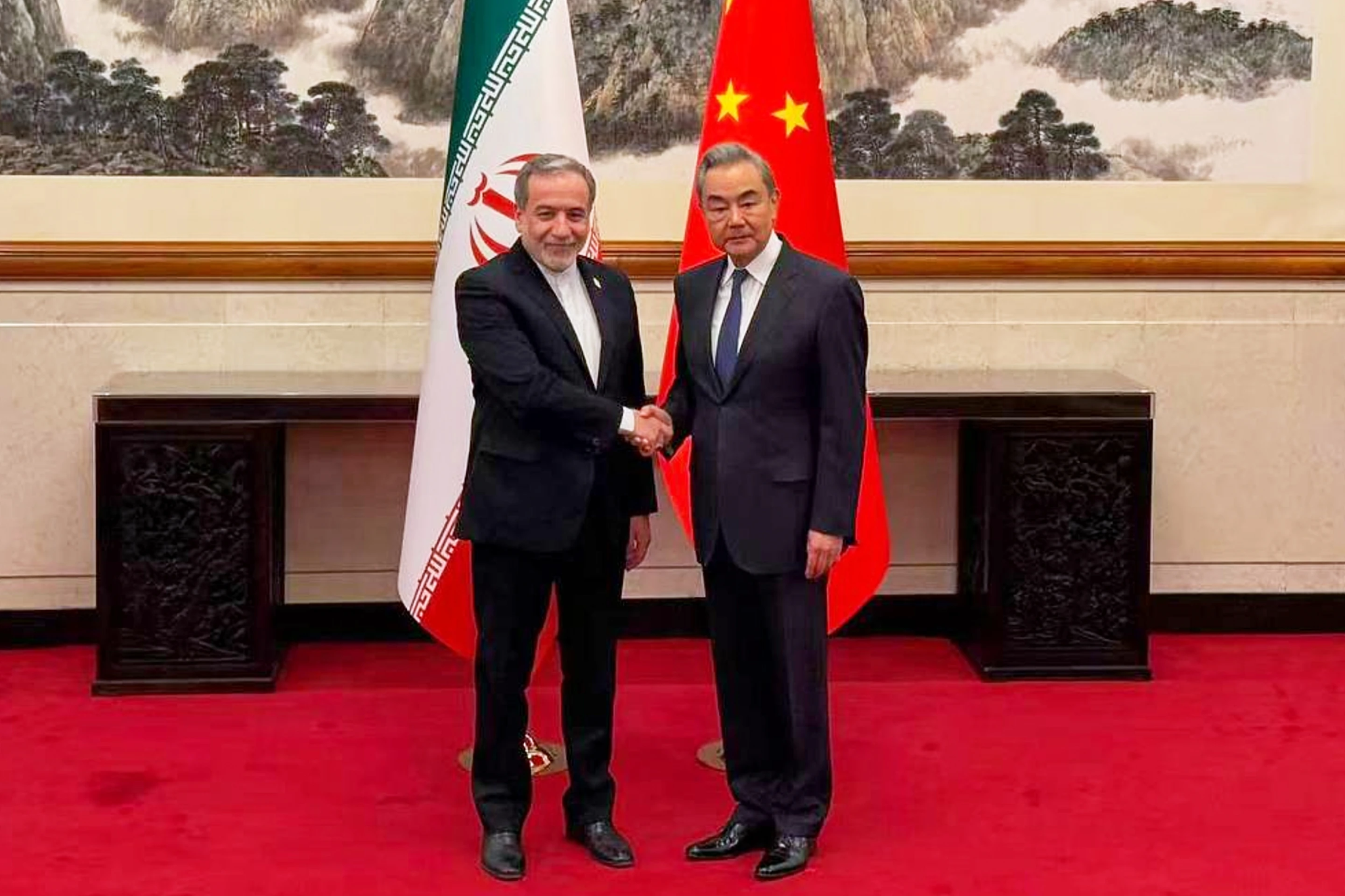
Iranian Foreign Minister Abbas Araghchi met Chinese Foreign Minister Wang Yi in Beijing in what marked Tehran’s first major diplomatic visit to China since the conflict began earlier this year. Although Chinese state media offered few details about the discussions, the meeting underscored Beijing’s increasingly important role in the crisis.
China maintains deep economic ties with Iran and remains one of its most influential international partners. Washington has openly encouraged Beijing to pressure Tehran into easing restrictions around the Strait of Hormuz, a vital maritime route responsible for transporting a significant portion of the world’s oil and gas supplies.
The disruption in the strait has already driven energy prices sharply higher, fueling inflation concerns and unsettling financial markets worldwide.
Trump Pauses Strait of Hormuz Operation
On Tuesday evening, US President Donald Trump announced a temporary halt to the American operation designed to guide stranded ships through the Strait of Hormuz. The effort, which began earlier in the week, aimed to create a safer passage for commercial vessels trapped by escalating hostilities.
Trump said the pause would provide time for negotiations aimed at reaching a broader agreement with Tehran. According to the president, discussions had shown signs of progress following mediation efforts involving Pakistan and several other countries.
Despite suspending the escort mission, the United States confirmed that its naval blockade of Iranian ports would continue. Washington argues the blockade is necessary to limit Iran’s economic resources and pressure Tehran over its nuclear program.
Ceasefire Holds Despite Regional Attacks
Although American officials insisted a fragile ceasefire remains intact, tensions across the Gulf region continued to simmer. The United Arab Emirates reported another round of Iranian drone and missile attacks, though authorities said there were no major casualties or severe damage.
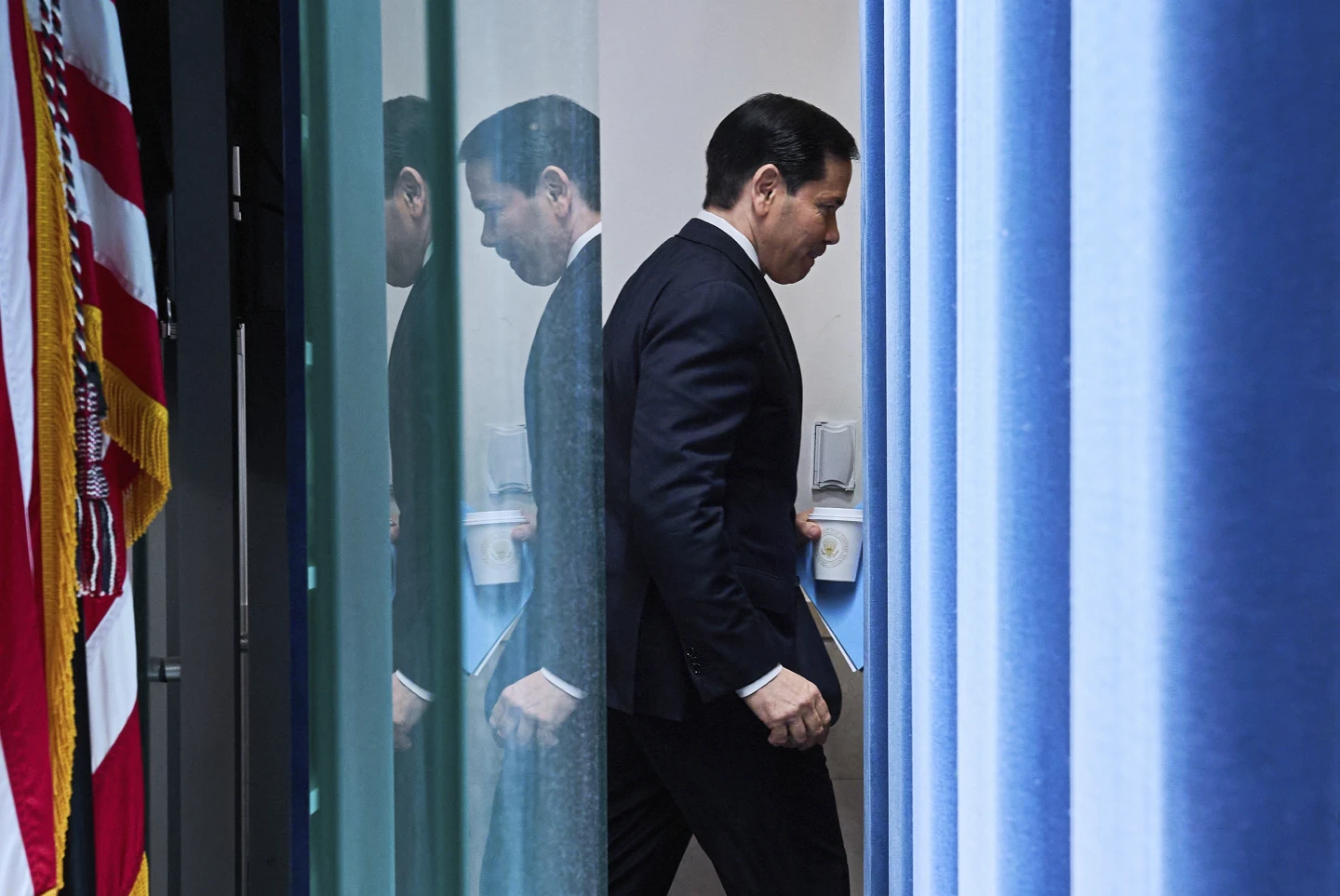
US Secretary of State Marco Rubio maintained that American operations in the strait were defensive rather than offensive. He stressed that the primary goal was protecting civilian shipping crews stranded in dangerous waters.
Rubio also emphasized that reopening the Strait of Hormuz remains essential for restoring stability to global energy markets. According to US officials, only a small number of merchant vessels have successfully passed through the newly secured maritime corridor so far.
Shipping Industry Remains Cautious
Despite Washington’s assurances, many global shipping companies continue avoiding the route due to security concerns. Major operators warned that the narrow waterway remains extremely dangerous, especially without guaranteed military escorts.
Iran has maintained strict control over maritime traffic near its coastline and warned against attempts to bypass its monitoring systems. The country has repeatedly accused the United States of violating ceasefire terms through naval activities in the region.
Meanwhile, commercial traffic disruptions have intensified fears of prolonged supply chain instability. Analysts warn that any further escalation could deepen the global energy crisis and place additional pressure on economies already struggling with inflation.
Diplomatic Window Narrows
As diplomatic efforts continue in Beijing and indirect negotiations proceed through regional intermediaries, the situation remains highly uncertain. Iran has signaled that it has not yet fully responded to American actions in the Strait of Hormuz, while Washington continues urging Tehran to reopen the route completely.
With oil prices remaining elevated and military forces still heavily deployed across the Gulf, the coming days may determine whether diplomacy can prevent a broader regional confrontation.
For now, the Strait of Hormuz remains both a strategic chokepoint and a symbol of the growing geopolitical struggle shaping global energy security.